
For generations, the gravitational pull of Singapore’s commercial real estate market was singular and undeniable. It was a force directed squarely at the island’s southern tip, towards the iconic silhouettes of Raffles Place, Marina Bay, and Shenton Way. For businesses, securing an address here was a statement of arrival. For investors, owning a piece of this prime real estate was the ultimate blue-chip strategy. The Central Business District was not just the heart of commerce; for all intents and purposes, it was the entire circulatory system.
But today, that singular pull is evolving. A deliberate, decades-long strategy of decentralisation, envisioned by the Urban Redevelopment Authority (URA), is now bearing fruit in spectacular fashion. This is not a story about the decline of the CBD, which will always remain a prestigious global hub. Instead, it is the story of the rise of new, vibrant centres of commerce across the island. These are not mere suburban office parks. They are meticulously planned, infrastructure-rich, and self-sustaining ecosystems.
They are Singapore’s new CBDs, and for astute investors and businesses, they represent the most compelling growth story in the market today.This shift is powered by a dual-engine of government vision and market pragmatism. The URA’s Master Plan aims to create a more resilient and sustainable city by bringing quality jobs closer to homes, easing traffic congestion, and mitigating the risks of concentrating all critical business functions in one area. For businesses, the benefits are tangible. Moving to these regional hubs offers significant cost savings, access to a wider and more localised talent pool, and a better work-life balance for employees. For staff living anywhere from a family flat to a room for rent in singapore, reclaiming hours once lost to commuting is a powerful incentive. Let’s explore the key zones leading this transformation.
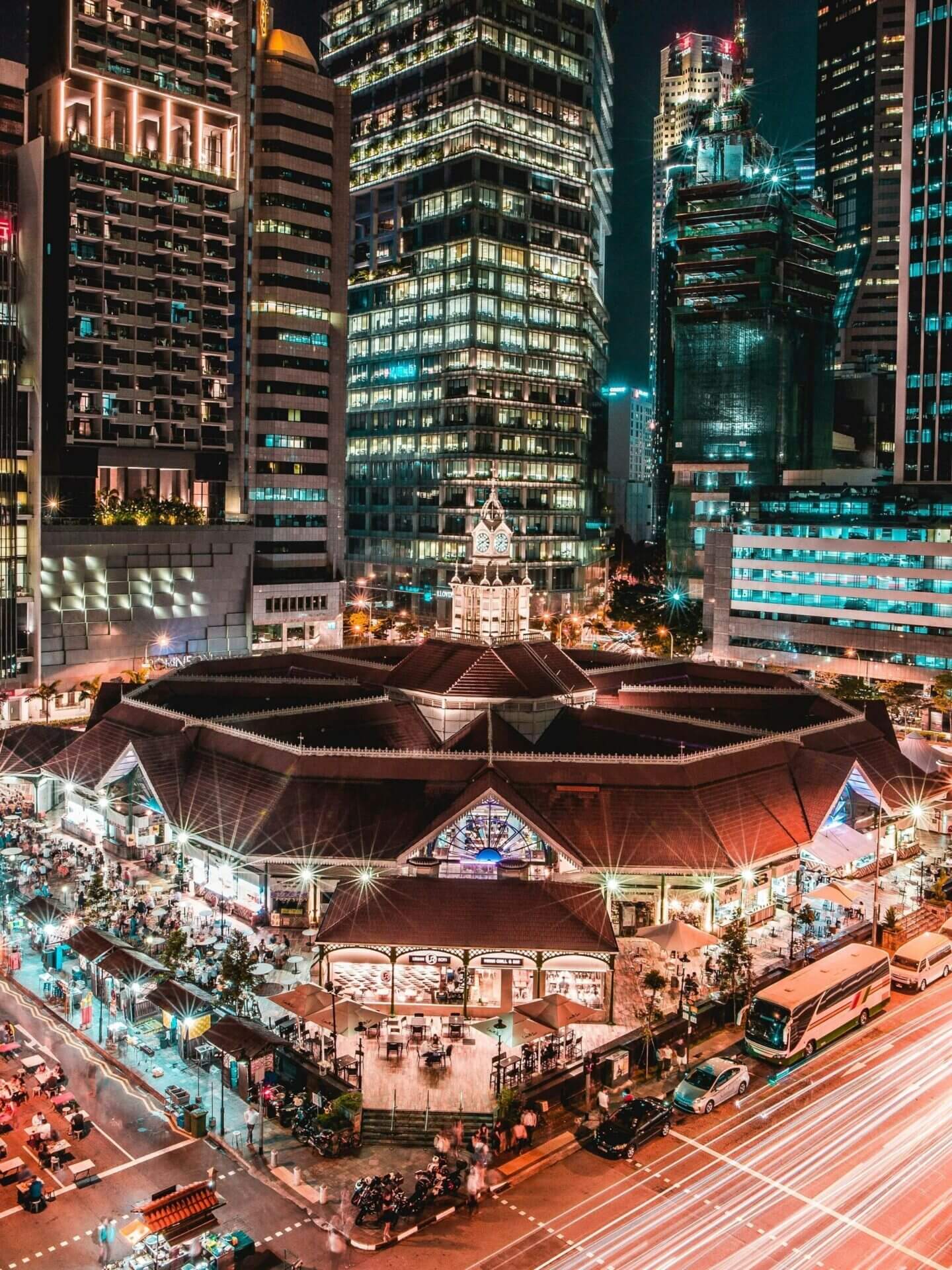
Jurong Lake District (JLD): The Western Powerhouse
If there is one area that embodies the ambition of Singapore’s decentralisation strategy, it is the Jurong Lake District. Envisioned as the nation’s second CBD, the JLD is undergoing a transformation of breathtaking scale. What was once primarily a suburban industrial and retail hub is being remade into a dynamic, mixed-use urban centre set against a stunning lakeside backdrop.
The government is laying the groundwork with massive infrastructure investments. The JLD is already served by the East-West and North-South MRT lines, and will soon be a major interchange for the Jurong Region Line and the Cross Island Line. These connections will provide unparalleled accessibility to the rest of the island. The district is designed to be a leader in sustainability and smart city technology, attracting forward-thinking corporations.
For investors, the JLD is a compelling long-term proposition. The area is already home to a critical mass of commercial activity with developments like Jem, Westgate, and IMM. The next phase will see the release of new land parcels for integrated developments, creating a fresh supply of modern office and retail spaces. This makes looking for an office for sale in the JLD a strategic bet on future capital appreciation. The target industries are high-value sectors like technology, research and development, and corporate services, promising a strong and stable tenant profile for years to come.
Paya Lebar Quarter (PLQ): The Proven City Fringe Hub
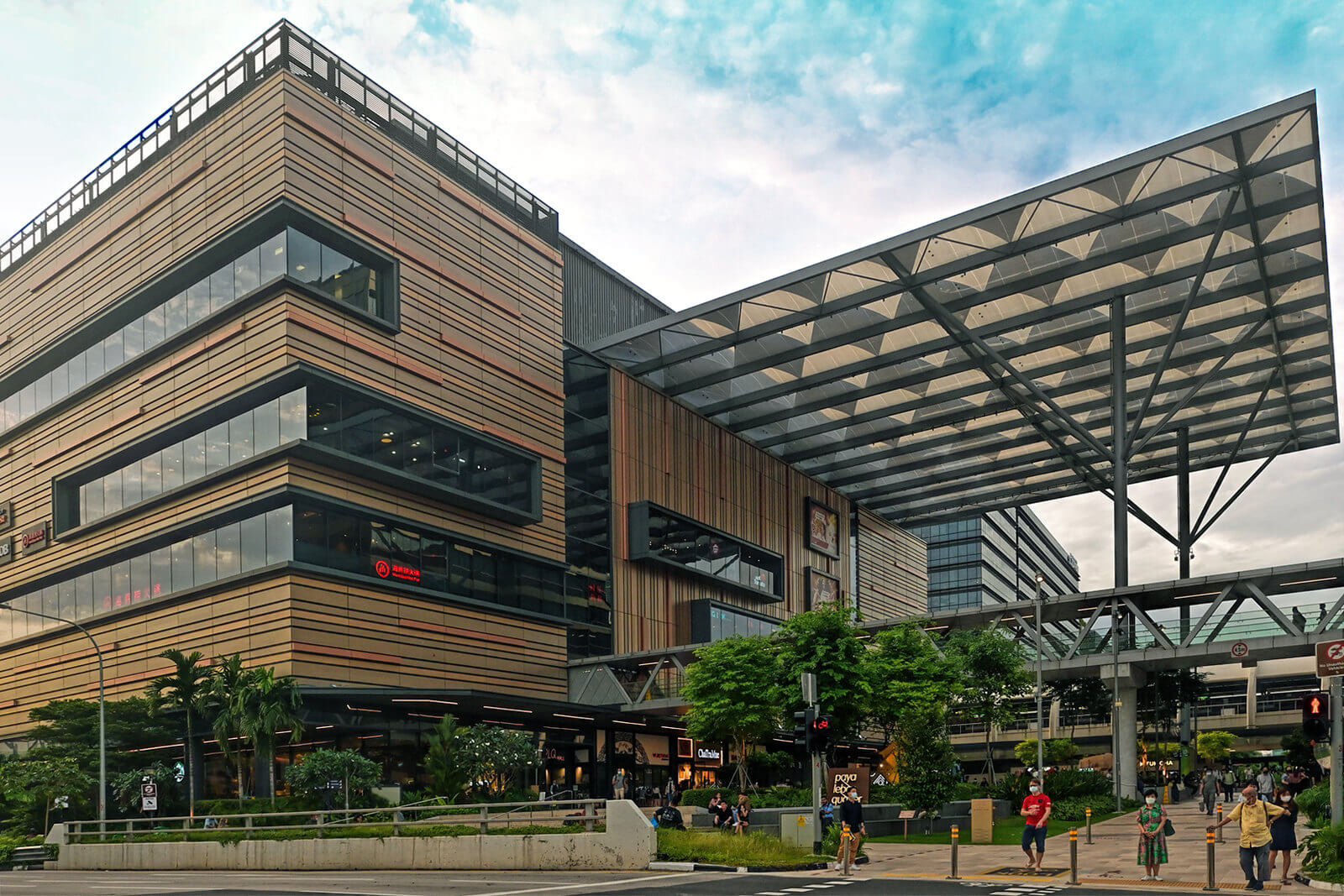
While Jurong represents the future, Paya Lebar Quarter demonstrates a decentralisation success story that is already here. Located at the city fringe, PLQ has masterfully blended modern commercial facilities with the rich heritage of the surrounding area. It has become a case study in creating a vibrant live-work-play environment outside the traditional core.
PLQ’s strategic advantage is its connectivity. Sitting on the interchange of the East-West and Circle MRT lines, it offers swift access to both the CBD and Changi Airport. This has made it an incredibly attractive location for multinational corporations seeking a cost-effective yet prestigious alternative to the CBD. Companies in the finance, technology, and professional services sectors have flocked to its Grade A office towers, drawn by the modern amenities and the convenience for their large employee bases in the eastern part of Singapore.
The investment appeal of Paya Lebar is its maturity and stability. The concept has been proven, the tenants are in place, and the rental demand is robust. For investors exploring the commercial property sale market, Paya Lebar offers a lower-risk entry point into the decentralisation narrative. It provides a healthy combination of stable rental income and the potential for steady capital growth as the entire Paya Lebar area, including the redeveloped SingPost Centre, continues to flourish.
Woodlands Regional Centre: The Northern Gateway
Poised to become the strategic business hub of the north, the Woodlands Regional Centre is a story of connectivity and cross-border potential. Its development is anchored by its unique position as the primary gateway between Singapore and Johor Bahru, Malaysia. The upcoming Johor Bahru-Singapore Rapid Transit System (RTS) Link will be a game-changer, creating a seamless connection that will turbocharge economic and social interaction across the causeway.
The vision for Woodlands is to create a diverse ecosystem that leverages this connectivity. It will cater not just to corporate offices but also to industries that benefit from proximity to Malaysia, such as agri-tech, light manufacturing, and logistics. The existing commercial developments, like Woods Square, are just the beginning. Future plans include a mix of office, retail, and residential projects that will create a self-contained and bustling regional centre.
Investing in Woodlands is a forward-looking play on the growth of the ASEAN region. As cross-border trade and talent mobility increase, Woodlands is set to benefit immensely. The growth of this hub will also create demand for ancillary industrial spaces. Astute investors are already looking beyond just offices and considering nearby warehouses for sale, anticipating the rise in logistics and supply chain activities. While perhaps a longer-term investment compared to Jurong or Paya Lebar, the potential upside for Woodlands is immense.
The New Investment Calculus
The rise of these new CBDs has fundamentally diversified the landscape for commercial properties for sale in singapore. It has expanded the definition of a “prime” location. Investors are no longer limited to the high-cost, low-yield environment of the traditional CBD. These regional hubs offer more attractive entry prices and the potential for higher rental yields, driven by strong tenant demand from companies seeking affordability and talent access.
For businesses, the choice of where to locate an office for rent is now a more complex and strategic decision. It is a calculation that weighs prestige against practicality, cost against culture, and tradition against future growth. The success of these decentralised hubs proves that a prestigious address and a productive workforce are no longer mutually exclusive to the CBD.
In conclusion, the commercial real estate map of Singapore is being redrawn. While the city’s historic core will always be a beacon of global finance, the most dynamic growth stories are now unfolding in its new CBDs. Jurong, Paya Lebar, and Woodlands are not just dots on a map; they are the future of work and commerce in Singapore. For investors and businesses willing to look beyond the traditional, they offer the opportunity to be part of the next chapter of the Singapore success story.